07-08-2026
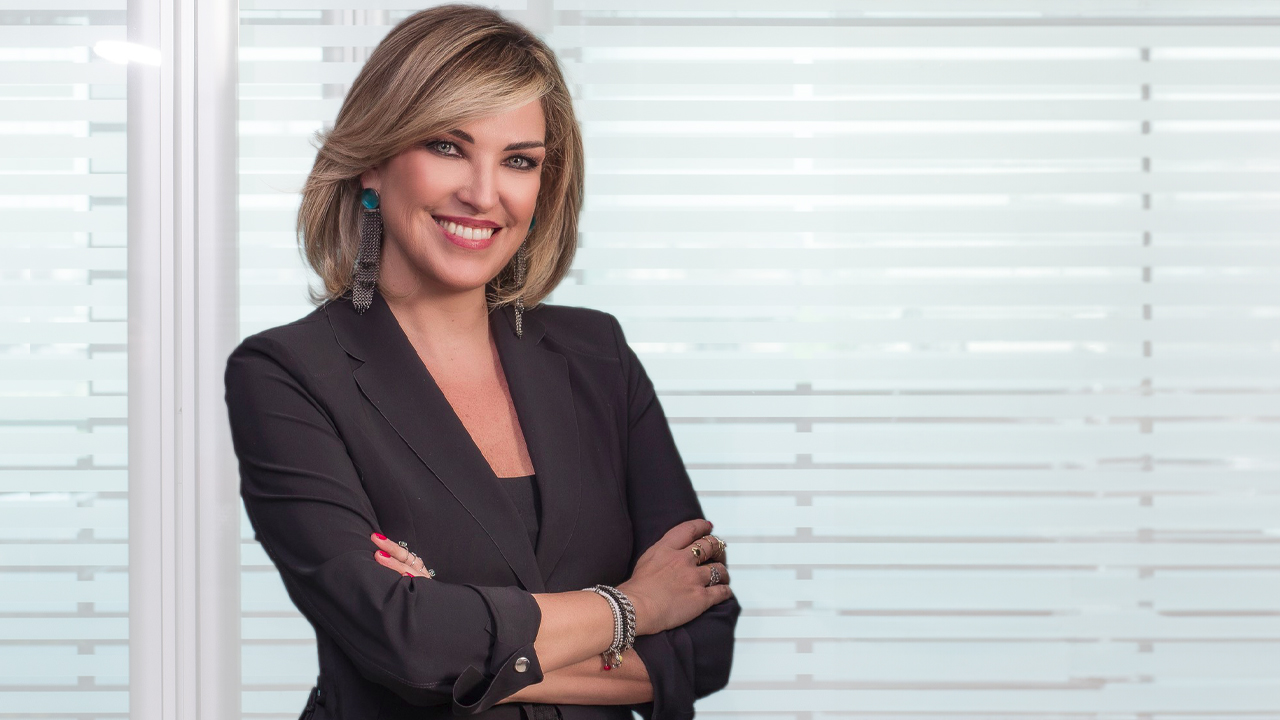
"Artificial intelligence is changing the way we work. When we integrate these technologies into processes that have operational or legal implications, we aren't simply adding new software. We’re changing the way people make decisions and assume responsibility.
On the one hand, AI makes things simpler. On the other, it must never replace human responsibility."
These are the words of Valeria Sandei, Chief of Global AI for the Almaviva Group and CEO of Almawave, in an article by Silvia Pagliuca published on Il Sole 24 Ore’s Alley Oop blog, entitled “AI and the Gender Gap: What role do women play in the revolution that is transforming the workplace?”
“If we train a model with information that’s already subject to gender bias - for instance related to career paths or health data - the outputs will inevitably be skewed as well.
The only way to prevent these biases from being amplified is to improve the quality and representativeness of the data we feed into these systems," Sandei continues.
With regard to rules, responsibility, and digital sovereignty, Sandei notes: “When we talk about such disruptive technologies, I don’t think it’s unreasonable to believe that they need to be accompanied by appropriate regulation.”
"The real challenge is to ensure that regulations can keep pace with the speed at which this technology is evolving."
Furthermore, behind the AI Act lies an increasingly strategic issue: European digital sovereignty.
“Sovereignty doesn’t belong to whoever hosts the data, but to whoever truly controls it,” Sandei observes. "We need to regain control of the entire value chain: from models to data centers, from the cloud to applications. If we continue to generate value using only technologies developed elsewhere, we risk transferring an increasing share of our companies' competitiveness to other countries."
As for women, Sandei observes: “Women can’t afford to miss this opportunity. It’s essential to start building familiarity with these skills as early as elementary school.
STEM subjects aren't dry. Rather, they’re incredibly creative.
They allow us to imagine solutions and invent things that didn't exist before."